Introduction – Conservation and local communities
“Why does the government treat us like this? We are the indigenous people and they keep threatening our livelihood for the Park”, said Manas Kutum, in a frustrated tone, and continued further, “We also care about the animals, we help the animals by providing them food from our farmland.” Manas is a 35 year- old farmer from Borbeel Mising Gaon (Borbeel hereon), a village in the periphery of Kaziranga National Park and Tiger Reserve (KNP&TR or Park hereon), which was engulfed into the second addition of the Park. His frustration stems from a prolonged period of precarity that he and other villagers have endured, navigating their survival every day in a space dictated by an exclusionary, militarised conservation project. The essay intends to revisit the Mising question in the nature conservation landscape of Assam, centering the concern of land, displacement and livelihood.
Nature conservation in its exclusionary form has been a subject of much debate worldwide since the late 20th century. The critique revolved around the conceptualisation of the dominant conservation model as ‘fortress conservation’, largely focusing on local and indigenous communities and their marginalisation (Brockington, 2002). This fortress model is said to have originated in the ‘Yellowstone Model’ of conservation in North America during the 19th and 20th centuries, which is grounded in the idea of ‘wilderness’[1] (Büscher & Fletcher, 2020). It spread as the main conservation model over other models focused on sustainable use, such as in Europe (Büscher & Fletcher, 2020).Following the critique that began in the 1970s, alternative conservation models such as ‘community-based conservation’ (CBC) began to be adopted. However, the exclusionary fortress model persisted. The Indian conservation model, which works through the creation of Protected Areas (PAs), like National Parks (NPs) and Wildlife Sanctuaries (WLS), follows this ‘mainstream’ model, a colonial legacy, which is the dominant model globally. It has been critiqued in a similar vein, as it perpetuates displacement, dispossession, incarceration, violence, and poverty (Kabra, 2009; Torri, 2011). The impact of conservation-induced displacement has been equated with development-induced displacement, with claims that conservation and development are two sides of the same coin (Gray et al., 1998). Various alternative conservation models have been tried and adopted in India, such as Joint Forest Management (JFM). However, such policies have not effectively addressed the issue, and the conservation model remains largely exclusionary.
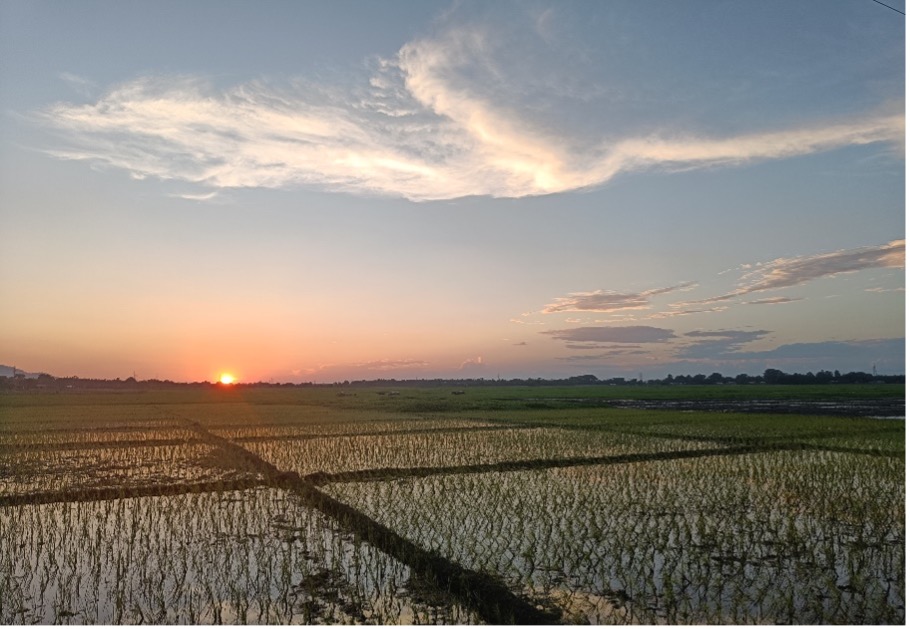
Image 1: Agrarian activity in the vicinity of KNP&TR. Source: Author
The state of Assam has 8 National Parks and 18 Wildlife Sanctuaries, and the number is gradually increasing with new proposals. Historically, the Brahmaputra valley of the state witnessed conflicts around agrarian activities and forest lands since the late 19th century (see Saikia, 2014). Curtailment of rights and access to forest lands drew large-scale criticism towards the end of the 19th century and the early 20th century. In addition, there are records of peasants complaining about the destruction of crops by animals from the Kaziranga Game Reserve, formed in 1905 (Saikia, 2011). These tussles carried on into the post-colonial period, as numerous uprisings by landless peasant and tribal communities demanding farmlands followed the occupation of not just grazing reserves and surplus tea garden lands, but also forest lands (Saikia, 2011). Simultaneously, in the 1970s, the Forest Department was also attempting to consolidate its power amid the backdrop of the Wildlife (Protection) Act, 1972 (WLPA). However, peasant and tribal mobilisation, which included displaced populations from the 1950 earthquake and subsequent erosions, enabled land claims into the late 1970s, until the implementation of the Forest (Conservation) Act of 1980 (Saikia, 2011). The later decades witnessed an increasing control of forestlands by the forest department and a widening rift between the department and the peasants. Mainstream conservation strengthened further in the state with the passing of the Wildlife (Protection) (Assam Amendment) Act, 2009. Different communities across the state have been impacted by these PAs, and the state has witnessed large-scale mobilisation by these communities over the last two decades. Throughout this period of contestations, various policies for community inclusion, like Village Forests[2], Social Forestry, and JFM were tried, which did not meet a desirable outcome. The Misings have been evidently visible as one of the communities at the receiving end of this model of conservation through multiple cases: Dibru-Saikhowa NP, Amchang WLS, and Kaziranga NP and Tiger Reserve.
Misings and conservation in Assam
My introduction as a researcher into the subject of conservation and displacement began with the case of Amchang WLS in Guwahati, where inhabitants of Mising settlements at the fringes of an undefined Sanctuary boundary faced apathetic evictions in 2017. Simultaneously, the Mising villages in the vicinity of KNP&TR were also struggling to maintain their rights and access to their land and natural resources. Meanwhile, the Mising villages of Laika and Dhodia, settled inside the Dibru-Saikhowa National Park, were continuing their struggle for resettlement from an entrapped island environment caused by land erosion on one side and the exclusionary Park on the other. Historically, the Misings have been entangled in the gradual transformation of forest conservation in the state into a restrictive, militarised form, as evident from the case of KNP&TR. The territorial overlap between the Misings and KNP&TR can be seen through the settlement history of the Misings in the floodplains of the Brahmaputra river and its tributaries. Migration brought them to the southern bank of the Brahmaputra river near Bokakhat, where they settled alongside the Karbis. British interest in the one-horned rhinoceros, amid a wave of conservation mindset awakening amongst colonial game hunters for hunting purposes, led to the formation of the Kaziranga Game Reserve (1905) in the same space. Later, it was renamed as a Game Sanctuary in 1916, marking a paradigmatic shift towards the end of game hunting (Sarmah, 2024). This formation involved the displacement of Mising villages, along with others, in 1920, making it the first case of human evictions for nature protection in the province (Sarmah, 2024).
The entanglement of the Misings with the conservation paradigm of the state is not limited to being on the other side of the contestation. A key individual in the sustenance of Kaziranga Game Sanctuary was Mahi Miri, a Mising man who joined the Imperial Forest Service in 1929 and was later posted to Kaziranga. However, the villages in the vicinity of the Park still share oral narratives passed on by their grandparents about his empathy for the tribal folks affected by the Sanctuary, with whom he would interact about the significance of the Sanctuary and the importance of their support. They remember those times as land-abundant, when migration meant voluntary resettlement in a different space relatively conveniently. However, since the late 20th century, with the enactment of the WLPA in 1972 and significant demographic and political-economic changes, the Misings have been locking horns with the Park (it became a National Park in 1974). Villages were evicted in 1974, and access to resources has been blocked since (Cremin, 2012). The turn towards the 21st century saw increasing violence meted out against the Misings, with allegations of poaching (see Barbora, 2017; Smadja, 2018). Cremin (2012) strongly highlights the Park’s role in the changing socio-ecological system of the Misings in KNP&TR, a significant factor in their marginalisation. The arrival of the Park disrupted the ecological network important to local communities. Streams, wetlands, and grasslands formed a connected ecosystem that provided resources for construction, farming, cooking, and other activities. Different land characteristics (e.g., elevation) were used for different forms of cultivation (Cremin, 2012). Agriculture was not sedentary, as one plot was abandoned for another plot, either for rejuvenation or due to erosion. The enclosure forced them to depend on the limited space for farming and to engage in wage labour as an alternative source of income. The Misings have consistently opposed this form of conservation, asserting their local knowledge and rights over resources and land through large-scale protests and court cases in KNP&TR, Amchang WLS, and Dibru Saikhowa NP (Pegu & Pegu, 2018).
Flood, erosion and displacement
Understanding the Mising’s position in conservation and displacement is incomplete without centering the issue of flood and displacement. The settlement pattern of the Misings in the riverine zones makes them vulnerable to perennial flooding and erosion, which have been prevalent since the 1950 earthquake, which altered the structure of the Brahmaputra River permanently (Saikia, 2020). Misings have become a ‘riverine’ tribe in dominant and common discourse, and the larger structure that enforces the Misings to be resilient intertwined with the exclusionary nature of nature conservation (Pegu, 2025). To discuss this, I turn to the cases of KNP&TR and Amchang WLS, which illustrate the different trajectories of flooding and displacement that brought people to the doorstep of exclusive conservation spaces.
“We chose this land despite it being a low-lying land with severe flooding, as all the other sites shown to us by the administration for resettlement were not suitable for our agrarian ways”, said Dimbeswar Kardong, a man in his sixties from Borbeel. Dimbeswar had migrated and resettled in this village during the late 1960s, along with fifty-one other families from villages at Dhansirimukh (the confluence of the Dhansiri river with the Brahmaputra), an area at the eastern end of the Park near Bokakhat town. These villages, much like many other villages, were victims of the perennial flooding and erosion caused by the Brahmaputra river. The administration carried out a resettlement drive, relocating villagers to various locations within the Bokakhat sub-division, such as Amtenga and Panbari (Cremin, 2011). Some families are said to have migrated to places like Jonai where they could resettle through their relatives. The resettlement in Borbeel, according to the villagers, was realised after prolonged negotiations, as the alternate sites were not suitable for sustaining their livelihood. As Dimbeshwar mentioned, the nature of land in Borbeel, being low-lying and flood-prone, was known, but the lack of options for a better rehabilitation space forced them to settle for it. The administration provided them with two bundles of tin roof sheets and 300 rupees each. The families divided the land among themselves, created habitable spaces, and gradually began farming. The subsequent decades saw severe flooding, prompting seasonal camping at a local school during the monsoon season. This precarious livelihood was exacerbated by the notification of the second addition to the Park in 1984, a point of rupture that disrupted the process of resettlement and land regularisation. The villagers engaged in a prolonged struggle, with the Gauhati High Court (GHC) issuing an order in 2015 in favour of the Park to evict the village, along with other villages in different additions. Since then, the administration has been processing the eviction in accordance with the Right to Fair Compensation and Transparency in Land Acquisition, Rehabilitation and Resettlement (RFCTLARR) Act 2013 and has issued eviction and compensation notices.
The case of Borbeel illustrates how the vulnerability of the Misings to flooding and erosion becomes complicated at the intersection with a conservation project. Similarly, the Mising villages that still settle around Dhansirimukh continue to be victims of the dual processes of flooding and erosion, and have been left with no space for migration during floods, as the concrete boundary of the Park creates a stark territorial separation. Crunching resources have gradually diminished cultural practices, like the consumption of namsing (fermented fish), due to the unavailability of ingredients (Chakravartty, 2025). This scenario is also echoed in the case of Amchang WLS, where the administration of Guwahati, along with the armed police forces, forest battalion, elephants, bulldozers, and labourers, carried out a violent eviction drive in 2017 of Mising villages in the periphery, among others (Singha, 2019). I happened to meet Arun Kutum during my fieldwork, a man in his thirties from Kangkan Nagar, who hailed from Dhakuakhana, a sub-division of Lakhimpur district. He worked as a staff member at a restaurant in Ganeshguri. Arun hailed from a village that was flooded and eroded every year, where the remaining farmland became uncultivable due to siltation from floodwater. Many, like Arun, came from different flood-prone villages and were resettled from 1995 onwards when Amchang was still divided into different Reserved Forests. Losing their primary livelihood, i.e., agriculture, they make a living through wage labour or unskilled employment offered by the city.
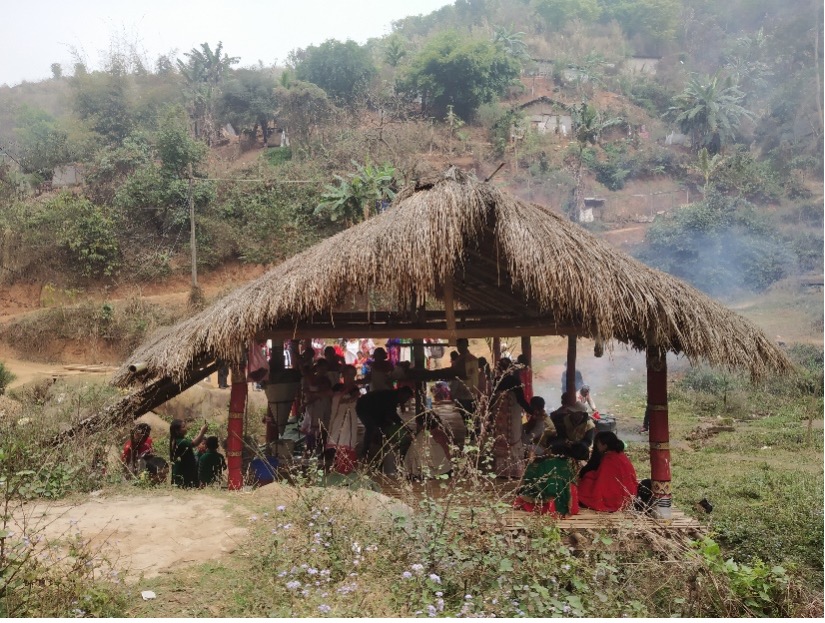
Image 2: Murong Okum in Kangkan Nagar. Source: Author
The village is relatively isolated from the city, making it difficult to access work opportunities there. Some of the villagers tried to live in rental places inside the city. However, the city does not accommodate this section of the population, who then have to live on the fringes in precarious conditions. Rising inflation and a spiking real estate market made it difficult for them to sustain inside the city. “I earn very less in a month,…”, said Arun while talking about his stay inside the city, “…from which I had to take out the housing rent, and the rest needed to be used for my children’s school fees and household items. It was not at all feasible.” The space in Kangkan Nagar provided them a secure space with their own community, their own land, and access to resources like water and herbs from the forest, which the evictions threatened. The protests stopped the eviction process midway, yet the precarity around their land and village continues. While the case of Borbeel highlights the rupture caused by conservation for a landless community in a volatile ecological setting, the case of Kangkan Nagar shows a similar rupture in an exclusive urban space. The migration to the fringes of the major city in the state was not voluntary, which Arun expressed through their abundant lives back in Dhakuakhana before the flood ruined it. He exclaimed, “Why would we ever want to come to this place and suffer like this! I grew up with abundant resources. We only needed salt and oil from the market. I could choose which kind of meat to serve when guests arrived. Now we can’t even farm those lands, and I need to feed my family.” The cases of Borbeel and Kangkan Nagar show how the arrival of conservation then regenerates the web of unequal relations that the dual processes of flood and erosion produce. They continue to remain landless as the entry of PAs nullifies any possibility of issuing land rights to the people, thereby reproducing marginality or continuing it.
Encountering exclusionary conservation
“Even if we are doing relatively well financially now, we are not able to do much with it. We cannot invest in constructing a better house, or make a proper road in the village, since any moment they may evict us”, Manas Kutum confided in me as we were walking around his farmlands in Borbeel in 2022. He was talking about the villagers’ inability to improve their socio-economic conditions despite the stable income they could generate from farming. They changed their farming practices due to the inability to farm during the monsoon season because of flooding. Adopting a high-yielding rice variety, boro, they have been able to accommodate multiple crops – paddy, mustard, and coriander – during the short farming cycle from October to March. It is a form of cultivation encouraged by the administration, which may have negative consequences (Pegu, 2026). Farming income has since risen and become the main source of income, reducing dependence on wage labour. However, the arrival of the second addition came with consequences, as the village became deprived of infrastructural development. In accordance with the WLPA Assam Amendment of 2009, NPs are human-free zones, where any form of construction other than for maintenance and conservation purposes is not allowed. Although the villagers still occupy the land, the civil administration considers the area to be under the Park, avoiding inter-departmental clashes with the Forest Department. This has left earlier government investments stuck in the past. The small Lower Primary school has not seen any improvement, nor has the Anganwadi centre. The village roads remain in dilapidated condition during the monsoon, consequently affecting access to schooling and medical centres. The aspiration for household infrastructure improvements, linked to aspirations for socio-economic mobility,has become incomprehensible. This precarity that the Park creates then raises the question: how does it get enabled?
The political economy of PAs, especially the larger ones, operates through a different web of relations shaped by global conservation structures within the framework of a capitalist world system. Smadja (2013) invokes the concepts of territoriality and borderlands to describe such projects through the example of KNP&TR, noting that these PAs create separate territories with their own rules, regulations, access, etc. The global discourses it carries influence local decisions, much vividly visible in the GHC judgement of 2015 on KNP&TR. The judgement discarded various claims of different villages, stating that the claims of a ‘handful of persons’ are in conflict with ‘public and national interest’, invoking the WLPA 1972 that excludes any human habitation in NPs, hinting strongly towards a rhetoric of conservation arising from the concept of ‘wilderness’ (XXX vs In Re: The Union of India & Ors., 2015). Different institutions of the state revolve around this larger discourse and enable it; this can be exemplified by the reporting of the second addition by a ‘High Powered’ Committee of GHC in 2015. The Committee states that ‘most of the constructions’ were ‘new’, ‘temporary’, and ‘semi-permanent’ in nature, made to claim monetary compensation (XXX vs In Re: The Union of India & Ors., 2015). It diminishes the legitimacy of Ka:ré Okum, traditional housing structure of the Misings, built on stilts. The local administration also denied the resettlement drive of the 1960s and 1970s to Borbeel. The erasure of history and disregard for social systems invisibilise the community. Local knowledge and systems get sidelined, a characteristic typical of conservation discourse, where it is seen as a domain for ‘scientific experts’.
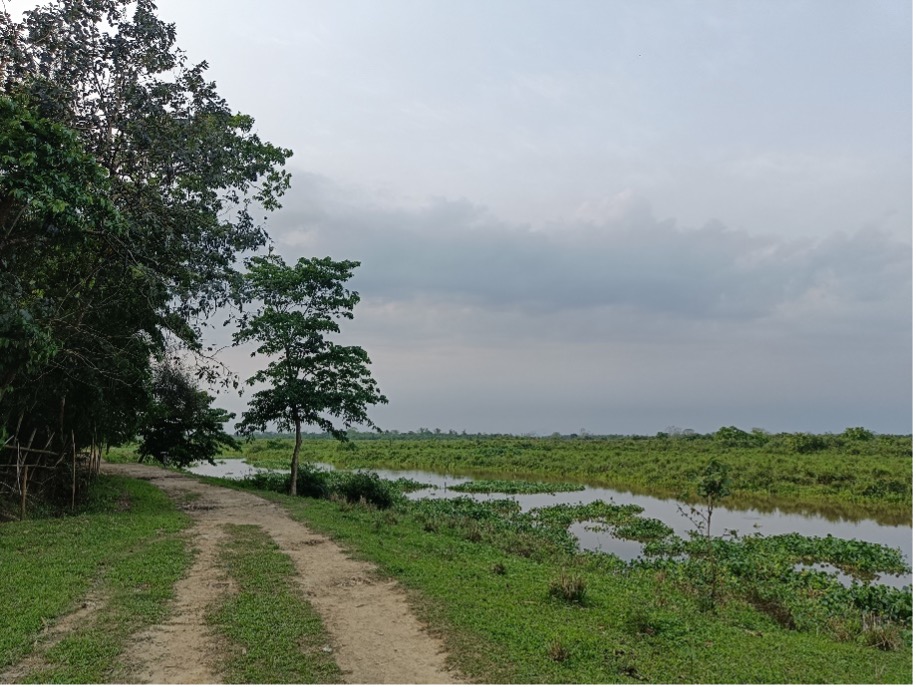
Image 3: Mora Diphloo river dividing Borbeel Mising Gaon on the left and KNP&TR on the right. Source: Author
The eviction process flouts various norms, which are legitimised. The funding for eviction in Amchang WLS included the cost of shelters for women and children, but the villagers allege that they were not provided with any. They had to live under a temporary shelter during cold, rainy nights, with some material support from NGOs and individuals (Singha, 2019). Compensation for evictions in the additions to the KNP&TR was processed only after approximately four years. Whereas, new infrastructure is created to concretise the Park’s territorialization, such as fences, pillars, roadways, elevated corridors, animal corridors, speed sensors, surveillance cameras, and bridges. This structural support for Parks also arises from their monetary value, as Parks like these are a major source of revenue, especially from tourism, and from various funding from domestic and international actors interested in conservation. Increasing investment by conglomerates from the hospitality sector to create a haven for urban elite tourists has also become prevalent, as seen in cases like KNP&TR, while boundary walls of homestead lands are demolished in the name of Animal Corridors. The case of Amchang also revealed this lopsided power relation, in which infrastructure linked to the business class remained immune until after vehement protests (Singha, 2019). As in development and displacement cases, conservation and displacement cases also revolve around land and livelihood rights. However, it is pertinent to acknowledge the significance and peculiarity of PAs formed through the discourse of mainstream conservation, as they carry a legitimacy card for being ‘green’ projects meant to save the planet. This, consequently, shapes the position of local communities, who are always placed at the bottom of the hierarchy.
Towards a just future
The essay elucidates the position of Misings in the context of the dominant nature conservation paradigm. It displays their evolving position as forest spaces gradually became restrictive and exclusive over the last century, and how it entangles with their encounter with perennial floods and erosion. Protected Areas, through their exclusive characteristics, then become a point of rupture in the process, which reproduces marginality. Misings have carried forward a strong opposition to such a conservation model, asserting their agency through the invocation of their history of co-existence, their local indigenous knowledge and their right to land and livelihood. Different organisations, such as student and peasant bodies, have also supported the population in their struggle through various means. However, the concerns of conservation and the marginalisation of local communities remain relevant even today, perhaps more so than ever. Accommodation of local communities in conservation management is not the state’s policy, and the state remains firm in its belief in ‘scientific’ expertise, while limiting local participation to the loop of selling ‘local’ products and providing services to tourists. The neoliberal conservation model prioritises profit-driven avenues over community participation, thereby consolidating power in the state-corporate nexus.
In the case of Kaziranga, the Misings continue to remain vulnerable. Additions are increasing[3], while opportunities are dwindling, leading to youth migration to different parts of the country (Barbora, 2017). Migrations as such mean working at the margins of an exclusive urban space, much as many households in the periphery of Amchang WLS survive. Land is increasingly becoming scarce. Two Sub-Divisional Officers from different districts where KNP&TR falls have outrightly confirmed that there is no provision for land resettlement in the case of future evictions. Resettlement in this scenario will be akin to the case of villagers from Laika and Dhodia (Dibru Saikhowa NP), where resettlement itself became a process of contestation between different stakeholders (Jairath & Gogoi, 2026). Thus, there is a cycle that continues the pattern of marginality of certain communities.
In such a scenario, a poignant critique emerges from the ground, in which the question of coexistence goes beyond the amalgamation of local communities in conservation management through indigenous/local knowledge. The decades-long separation created by a fortified PA (here, KNP&TR) has disrupted the socio-ecological dynamics, forcing villagers to survive through different livelihood means. Emerging from this socio-economic position, the villagers’ assertions and claims underscore the maintenance of the status quo of coexistence, in which two separate zones do not disturb each other. Manas Kutum, like many others, reiterated this view, saying, “We respect the territory of the animals, but we need to survive as well. So, they should have their space and we should have our own space.” Such an outlook indicates prioritising survival in a capitalist economy, as well as the aspirational desire for socio-economic mobility, rather than an apprehension towards wildlife. This critique is important in reshaping the struggle for land and livelihood around it, in a context where Acts like the Scheduled Tribes and Other Traditional Forest Dwellers (Recognition of Forest Rights) Act, 2006, are inconceivable, and global targets for conservation, like 30×30[4], influence local policies that encourage an increase in conservation spaces. A just future for the Misings must emerge from such narratives from the ground, focusing on material and aspirational aspects through self-determination, rather than dominant narratives of either exclusive or inclusive conservation.
References
Barbora, S. (2017). Riding the Rhino: Conservation, Conflicts, and Militarisation of Kaziranga National Park in Assam. Antipode, 49(5), 1145–1163. https://doi.org/10.1111/anti.12329
Büscher, B., & Fletcher, R. (2020). The conservation revolution: Radical ideas for saving nature beyond the anthropocene. Verso.
Brockington, D. (2002). Fortress conservation: The preservation of the Mkomazi Game Reserve, Tanzania (1st publ). The International African Institute.
Chakravartty, A. (2025, December 12). For Assam’s Mising community, this fish paste represents tradition, food security. Good Food Movement. https://gfm.akshayakalpa.org/read/feature-article/assam-kaziranga-mising-tribal-community-delicacy-namsing-fish-paste
Cremin, E. (2011). Between Land Erosion and Land Eviction: Emerging Social Movements in the Mishing Fringe Villages of the Kaziranga National Park (Assam, Northeast India). Environment and Development Emerging Issues and Debates. https://hal.archives-ouvertes.fr/hal-01739542
Cremin, E. (2012). Wild life conservation and tribal livelihood in the Brahmaputra flood plain—The case of the Mising tribe in the fringe villages of the Kaziranga National Park (Assam, North-East India). In Nature, Environment and Society: Conservation, Governance and Transformation in India. Orient Black Swan.
DeLancey. (2012). An Ecological Concept of Wilderness. Ethics and the Environment, 17(1), 25. https://doi.org/10.2979/ethicsenviro.17.1.25
Gray, A., Parellada, A., & Newing, H. (1998). From Principles to Practice: Indigenous Peoples and Biodiversity Conservation in Latin America. International Work Group for Indigenous Affairs and Forest Peoples Programme.
Jairath, V., & Gogoi, N. (2026). Labouring for new lives: Negotiating dispossession in Assam, India. Development in Practice, 1–10. https://doi.org/10.1080/09614524.2025.2606844
Kabra, A. (2009). Conservation-induced displacement: A comparative study of two Indian protected areas. Conservation and Society, 7(4), 249. https://doi.org/10.4103/0972-4923.65172
Nagle, J. (2005). The Spiritual Values of Wilderness. Environmental Law, 35, 955–1003.
Pegu, B., & Pegu, M. (2018). The Conservation Discourse in Assam Must Consider a Sustainable Rehabilitation Plan for the Mising Tribe. Economic and Political Weekly, 53(2018). https://www.epw.in/engage/article/conservation-discourse-in-assam-must-consider-sustainable-rehabilitation-plan-for-mising-tribe
Pegu, M. (2026, March 19). Modern Farming as a Threat to Indigenous Practices: An Observational Critique of Boro Kheti from Kaziranga Assam – Mising Community Researchers’ Collective. https://mcrcindia.com/2026/03/19/modern-farming-as-a-threat-to-indigenous-practices-an-observational-critique-of-boro-kheti-from-kaziranga-assam/
Pegu, P. (2025, November 29). Beyond Resilience: The Political Ecology of Floods and the Mising Community. Mising Community Researchers’ Collective. https://mcrcindia.com/2025/11/29/beyond-resilience-the-political-ecology-of-floods-and-the-mising-community/
Saikia, A. (2011). Forests and Ecological History of Assam, 1826-2000 (1st ed.). Oxford University Press.
Saikia, A. (2014). Making Room Inside Forests. In M. Rangarajan & K. Sivaramakrishnan (Eds.), Shifting Ground (pp. 155–179). Oxford University Press. https://doi.org/10.1093/acprof:oso/9780198098959.003.0007
Saikia, A. (2020). The unquiet river: A biography of the Brahmaputra (First edition). Oxford University Press. https://doi.org/10.1093/oso/9780199468119.001.0001
Sarmah, B. (2024). Empire, Nature and Agrarian World: A History of Rhino Preservation in the Kaziranga Game Reserve, India (1902–1938). Environment and History, 30(3), 371–394. https://doi.org/10.3197/096734023X16702350656960
Singha, N. S. (2019). Assessing Conservation and Displacement: A case study of Amchang Widlife Sanctuary eviction [Unpublished master’s thesis]. Indian Institute of Technology Guwahati.
Smadja, J. (2013). How Environmental Policies Reshape the Himalayan Area. New Environmental Territories, New Environmental Borders; the Example of Kaziranga National Park (Assam). In Territorial Changes and Territorial Restructurings in the Himalayas. Adroit Publishers.
Smadja, J. (2018). A Chronicle of Law Implementation in Environmental Conflicts: The Case of Kaziranga National Park in Assam (North-East India). South Asia Multidisciplinary Academic Journal, 17. https://doi.org/10.4000/samaj.4422
Torri, M. (2011). Conservation, relocation and the social consequences of conservation policies in protected areas: Case study of the Sariska Tiger Reserve, India. Conservation and Society, 9(1), 54. https://doi.org/10.4103/0972-4923.79190
XXX vs In Re: The Union of India & Ors. (Gauhati High Court September 10, 2015).
[1] The idea of wilderness, that existed since the 19th century, was concretised by the US National Wilderness Preservation Act of 1964 as “an area where the earth and its community of life are untrammelled by man, where man himself is a visitor who does not remain”. (see Büscher & Fletcher, 2020; DeLancey, 2012; Nagle, 2005)
[2] Declared in 1920 under the Assam Forest Regulation 1891, these were forests which were demarcated exclusively for the villages to use resources like firewood for daily consumption. By 1935, this policy was abandoned as it was not generating economic benefit and thrown open for cultivation under unclassed forest category (Saikia, 2011).
[3] The sixth addition also comprises Mising territories on the north bank of the Brahmaputra river. Some of the villages were excluded from its boundary in the recent restructuring.
[4] A target adopted in Kunming-Montreal Global Biodiversity Framework 2022 to save and protect 30 percent of Earth’s terrestrial and marine habitat by 2030.

Be First to Comment